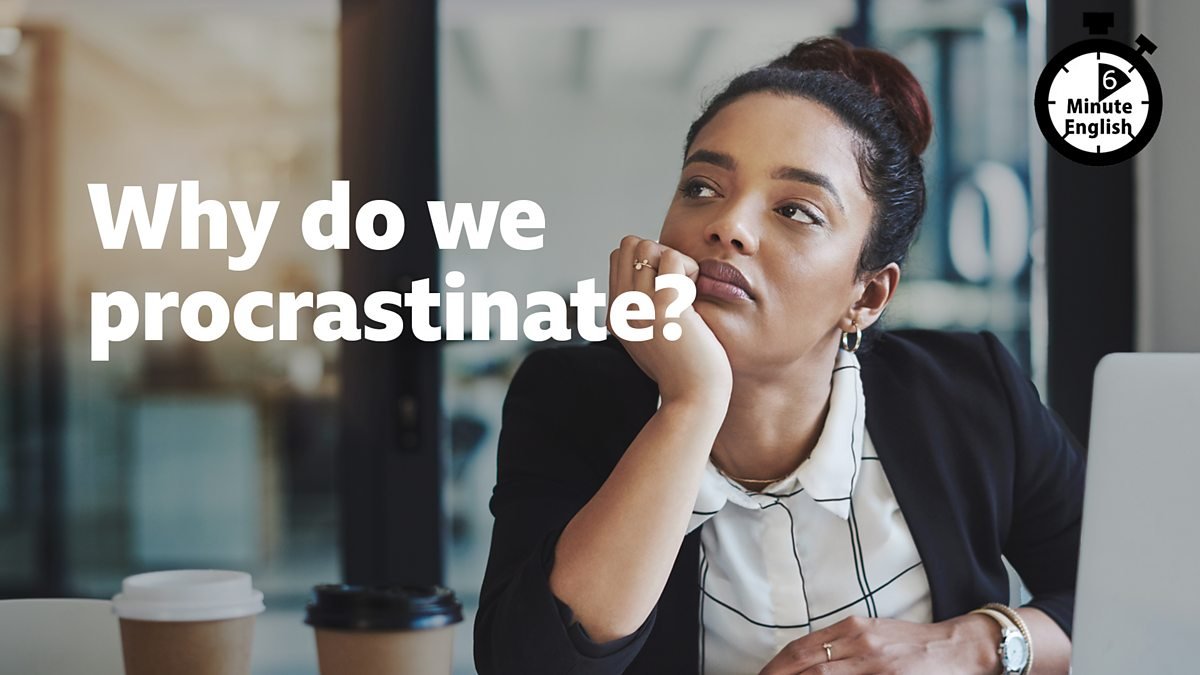
Have you ever had something important to do—studying, working on a project, or completing a task—but instead of starting, you ended up scrolling your phone, watching videos, or doing everything except the actual work?
This behavior is called procrastination, and almost everyone struggles with it. But the real question is: why do we delay important tasks even when we know they matter?
The answer is not simply laziness. Procrastination is deeply connected to emotions, mental patterns, and how the brain avoids discomfort.
The Real Reason Behind Procrastination
Procrastination is not a time management problem—it is an emotional regulation problem. When a task feels uncomfortable, difficult, or overwhelming, the brain tries to escape that discomfort.
Instead of facing the task, it chooses something easier or more enjoyable in the moment. This creates short-term relief but long-term stress.
So procrastination is basically:
“I feel uncomfortable → I avoid → I feel temporary relief → I regret later.”
Why Your Brain Avoids Important Tasks
Fear of Failure or Imperfection
One of the strongest reasons people delay tasks is fear. Not the obvious kind, but subtle fear like:
- “What if I do it wrong?”
- “What if it’s not perfect?”
- “What if I fail after trying?”
This fear creates pressure, and the brain avoids starting to protect itself from possible disappointment.
Ironically, avoiding the task increases stress even more.
The Task Feels Too Big
When something looks too large or complex, the brain doesn’t know where to start. It feels overwhelming, so it chooses to delay it.
For example:
- “Study this entire subject” feels heavy
- “Write this full report” feels stressful
- “Start this business” feels unclear
When a task is unclear, the mind avoids it naturally.
Instant Gratification Wins Over Long-Term Reward
The brain prefers rewards that are:
- quick
- easy
- enjoyable
Scrolling social media, watching videos, or chatting gives instant satisfaction. But important tasks give delayed rewards.
So the brain chooses:
“feel good now” over “benefit later.”
This is one of the biggest causes of procrastination in modern life.
How Procrastination Affects Your Life
Procrastination may feel harmless in the moment, but over time it builds pressure and affects mental peace.
Increased Stress and Anxiety
When you delay tasks, they don’t disappear—they stay in your mind. This creates constant background stress like:
- “I still have to do this”
- “I am running out of time”
Even while relaxing, your brain feels unfinished pressure.
Lower Quality Work
When tasks are delayed until the last moment, there is less time to think, improve, or refine them. This leads to rushed work and lower performance.
So procrastination doesn’t just delay work—it often reduces quality too.
Loss of Confidence
Repeated procrastination slowly creates a mindset of:
- “I can’t stick to my plans”
- “I always delay things”
This affects self-confidence and makes future tasks feel even harder to start.
How to Break the Cycle of Procrastination
The goal is not to “force motivation,” but to make starting easier and reduce mental resistance.
Start With the Smallest Possible Step
Most procrastination happens at the starting point. So instead of thinking about the full task, shrink it.
Instead of:
- “I will study for 3 hours”
Start with:
- “I will study for 5 minutes”
Once you start, momentum often takes over naturally.
Make Tasks Less Emotionally Heavy
The harder a task feels emotionally, the more you avoid it. To reduce this:
- Break tasks into small parts
- Focus on progress, not perfection
- Allow yourself to do imperfect work first
The goal is to reduce pressure, not increase it.
Remove Distractions From Your Environment
Procrastination becomes easier when distractions are everywhere:
- Phone notifications
- Social media
- Noise or clutter
A focused environment makes starting work less mentally difficult. When distractions are reduced, your brain doesn’t have easy escape routes.
Use the “5-Minute Rule”
Tell yourself:
“I will do this for just 5 minutes.”
This trick works because the brain resists starting, not continuing. Once you begin, it becomes easier to keep going.
Even if you stop after 5 minutes, you still break the cycle of avoidance.
Connect Tasks With Purpose
Tasks feel heavy when they feel meaningless. But when you connect them to something personal, motivation increases.
Ask yourself:
- “Why does this matter to me?”
- “How will this help my future?”
- “What will change if I complete this?”
Purpose reduces resistance.
Final Thoughts
Procrastination is not a character flaw—it is a natural response of the brain to discomfort, fear, and pressure. Everyone experiences it at some level.
The key is not to wait for motivation, but to make starting easier and thinking lighter.
You don’t need perfect discipline to overcome procrastination. You just need small actions that break the delay cycle.
So the next time you catch yourself avoiding something important, don’t ask:
“Why am I so lazy?”
Instead ask:
“What is the smallest step I can take right now?”
Because overcoming procrastination is not about doing everything at once—it is about starting before your mind convinces you not to.