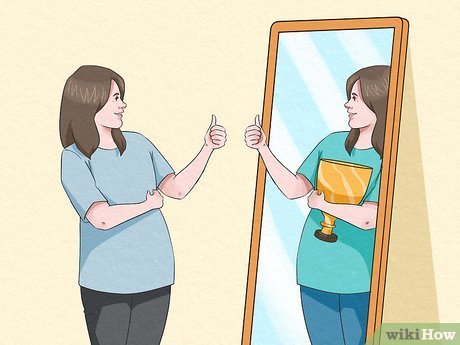
Have you ever looked at someone else’s life and suddenly felt like yours is not enough? Maybe you saw someone achieving success, traveling, earning money, or living a “better” lifestyle—and instantly felt behind.
This habit is so common that most people don’t even realize they are doing it. But the real question is: why do we constantly compare ourselves with others, and why does it affect us so deeply?
Why Comparison Happens Naturally
Comparison is not something people “choose” consciously. It is built into the human brain. From childhood, we are trained to observe others and understand where we stand in society. This helped early humans survive, but in today’s digital world, it has become a mental trap.
The Brain Is Wired to Measure Progress
Human beings naturally want to know:
- Am I doing well?
- Am I safe?
- Am I successful compared to others?
To answer these questions, the brain uses comparison as a shortcut. Instead of measuring progress internally, it looks outward at other people.
This becomes more intense when we don’t have clear personal goals. Without internal direction, the brain uses others as a reference point.
Social Media Makes Comparison Worse
In the past, people compared themselves to a small group—friends, neighbors, classmates. Today, social media has completely changed this.
Now we are exposed to:
- Perfect lifestyles
- Highlight reels of success
- Edited photos and achievements
- Constant updates from thousands of people
But what we see is not real life—it is a curated version of life.
The problem is, the brain doesn’t always recognize this difference. It compares our normal everyday life with someone else’s “best moments,” creating a distorted sense of reality.
Lack of Self-Definition
Another major reason for comparison is not knowing yourself clearly.
When someone doesn’t have a strong sense of:
- Personal goals
- Values
- Direction
They start using others as a measurement tool. For example:
- “He is earning more, so I am behind.”
- “She is more successful, so I am less capable.”
But success is not a single path. Without defining your own version of success, you will always feel like you are falling short.
How Comparison Affects Your Mind and Life
At first, comparison may seem harmless. But over time, it can deeply affect mental health, confidence, and decision-making.
It Lowers Self-Esteem
When you constantly compare yourself to others, you slowly start believing:
- “I am not good enough”
- “I am behind in life”
- “I am not successful”
Even if these thoughts are not true, repetition makes them feel real. This can damage confidence and self-worth over time.
It Creates Constant Dissatisfaction
Comparison makes it difficult to enjoy your current life. Even when things are going well, your mind keeps focusing on what others have that you don’t.
This leads to a cycle of:
- Achieving something
- Feeling happy for a short time
- Seeing someone else doing better
- Feeling unsatisfied again
So happiness becomes temporary instead of stable.
It Increases Anxiety and Pressure
When you compare yourself to others, you indirectly create pressure to “catch up.” This pressure leads to:
- Overthinking
- Stress about the future
- Fear of failure
- Feeling behind in life
Instead of moving at your own pace, you start racing against people whose journeys are completely different from yours.
It Distorts Reality
One of the biggest dangers of comparison is that it creates a false image of life.
You only see:
- Success, not struggle
- Results, not effort
- Happiness, not pain
This makes you believe everyone else is doing better—even when they are also struggling silently.
How to Stop Comparing Yourself With Others
Stopping comparison completely is difficult, but you can reduce its control over your mind and shift your focus back to your own life.
Build Awareness of Your Thoughts
The first step is noticing when you are comparing yourself.
Ask yourself:
- “Why am I feeling less right now?”
- “Am I comparing or observing?”
- “Is this helping me improve or just making me feel bad?”
Awareness breaks automatic thinking patterns.
Focus on Your Own Progress
Instead of asking:
- “How am I doing compared to others?”
Start asking:
- “Am I better than I was last month?”
This shifts focus from external competition to internal growth.
Even small improvements matter:
- Learning something new
- Improving habits
- Building discipline
- Working toward personal goals
Your only real competition is your past self.
Limit Social Media Exposure
You don’t need to quit social media, but you can control how you use it.
Try:
- Reducing scrolling time
- Unfollowing accounts that trigger comparison
- Following educational or motivational content instead
- Taking digital breaks
When your mind is less exposed to unrealistic lifestyles, it becomes more peaceful.
Define Your Own Version of Success
This is one of the most powerful steps.
Ask yourself:
- What does success mean to me?
- What kind of life do I actually want?
- What makes me feel fulfilled?
When you have clear answers, you stop using other people as your measurement tool.
You start living according to your own direction, not someone else’s timeline.
Final Thoughts
Comparison is a natural human habit, but in today’s world, it has become more intense than ever. Social media, lack of self-awareness, and external pressure all contribute to it.
But the truth is simple:
You are not behind. You are not late. You are not less.
You are simply on a different path.
Life is not a race where everyone starts and finishes at the same point. It is a journey where every person has their own timing, struggles, and growth process.
So the next time you catch yourself comparing, pause and ask:
“Am I trying to improve my life—or someone else’s?”
Because real peace starts when you stop measuring your life with someone else’s ruler.